 CDT Technology
Upgrading Technology
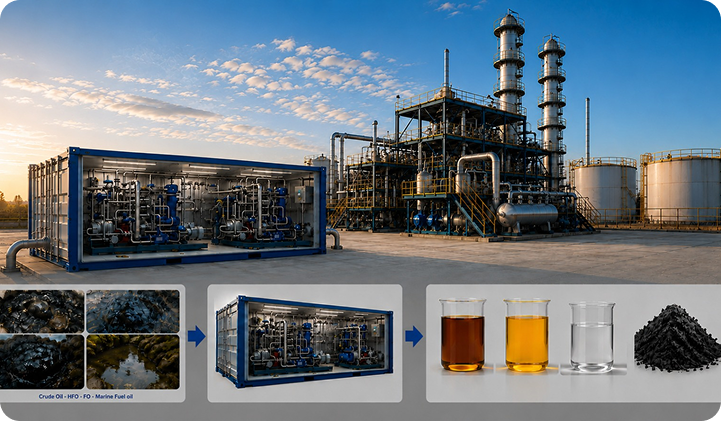
The Upgrading Technology entrance to oilfield projects provides strategic environmental solutions, as this technology is a very vital industrial requirement for the next 20 years. After analysing the feed — Heavy Crude Oil, Waste Hydrocarbons, Slop Oil, Sludge, Residues, Pit oil, Petcoke or any and all type of waste oil and hydrocarbon feed — and studying the relative proportions of the original composition of the feed (PONA+S) which are the main components that make up the hydrocarbon.
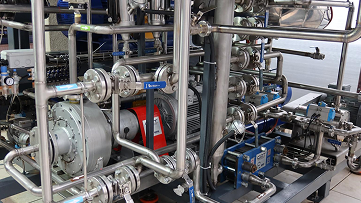
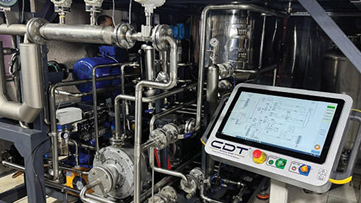
The technology unit associated equipment are designed such as pre-heating, filtering, scraping or separating devices, a boiler unit and heat calibrators. Operating pressure, chemical additives and catalysts injection devices, automation and control system, as well as filtration units — designed according to the results of the analysis and provides specialized solutions for each project according to the nature of the project.
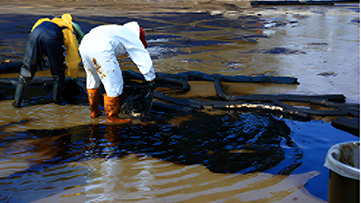
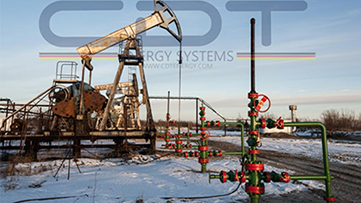
Our Patent Upgrading Technology’s Advantages for (Shipment, Power Plants, Refineries, Up Stream and Downstream) Applications
- Improved Parameters of density, viscosity, flash point, pour point, and sulfur contents.
- Low Sludge, Free Water & Impurities.
- No Wastage of Fuel in Filters and Centrifuges.
- Total Fuel Utilization & Complete Combustion. Additional Fuel Economy by 25-30 %.
- Clean & Economical Alternative to other normal F.O. /HFO/Diesel processes.
- CDT Upgraded F.O. combustion uses less Oxygen.
- CDT Upgraded F.O. Combustion release less NOx.
- Particulate Matter (PM) reduction.
- Drastic reduction of CO, CO2 & even SOX.
- Cleaner Emissions. Reduced Un-burnt Carbon, Smoke and Particulate Matter. Low Carbon and Soot deposits on Tubes: Reduced downtime.
- Increased production of light distillation cuts
- Improved fuel characteristics.
- Additional recovery of light ends.
- Heavy Crude desulfurization.
- Upgrading and Converting HFO, FO & VR to Value Products.
- Drastic Reduction of Metal Oxide Losses like Dross & Furnace Scale.
- Increased Refractory / Reccuperator / Stack Lifespan.
- Lean-Burn due to reduced Hydrocarbon content in Fuel: Economy.
- Peak Temperature Reduction: Longer Engine Life.
- Doesn’t require significant equipment changes when application changes
- Requires Less Excess Air: Reduced Waste Heat Loss. Generates 10-30% less waste-heat. Enhanced Thermal Transfer.